This week’s theme for Nonfiction November is “My Year in Non-fiction”, so I dug into my StoryGraph stats a bit as a starting point, finding I’ve read 83 books that StoryGraph classes as non-fiction — so far! That does seem to include some of the poetry anthologies that I’ve read, but even so, I think it’s likely to be too many books to feature them all… so let’s talk mostly about the good ‘uns.
You might also be interested in my post from last year, which took a theme-based approach.
Five-star non-fiction I read in 2026:
This is what it says on the tin: the handful of books I gave my highest and rarest rating.
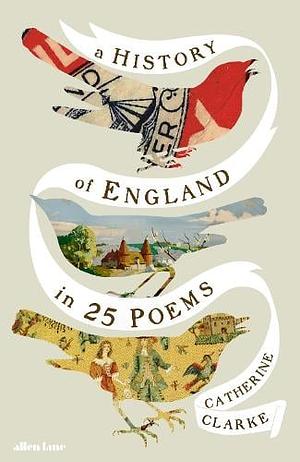


As you see, it’s a pretty select bunch! Here are links to the reviews:
- A History of England in 25 Poems (Catherine Clarke)
- Ramesses the Great: Egypt’s King of Kings (Toby Wilkinson)
- The Library of Ancient Wisdom: Mesopotamia and the Making of History (Selena Wisnom)
I’m surprised no science books made it into this tier, but thinking back on this year, I haven’t read a whole lot of popular science.
Four-star non-fiction I read in 2026:
These are still pretty great books which just missed being perfect for me, with my four-star rating meaning “I really liked it”. (Note: I’m not saying five-star books are perfect in general, it’s not an objective assessment! I rate based on enjoyment.) They’re still pretty great.
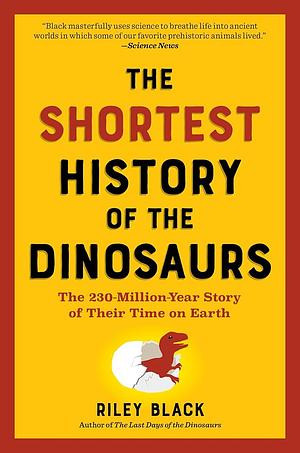


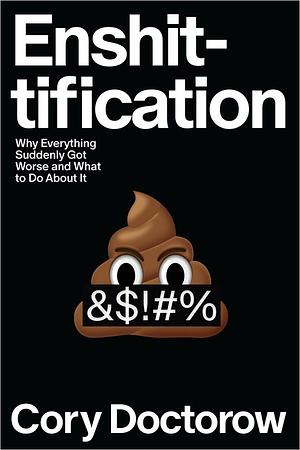



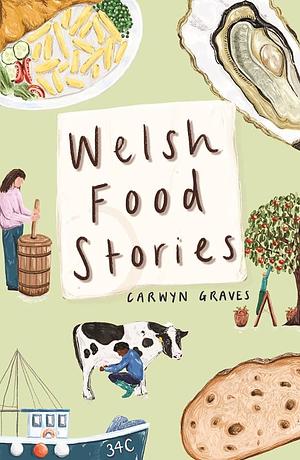

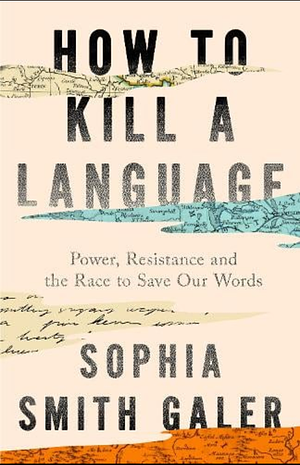
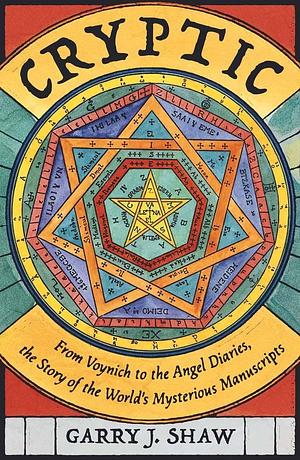
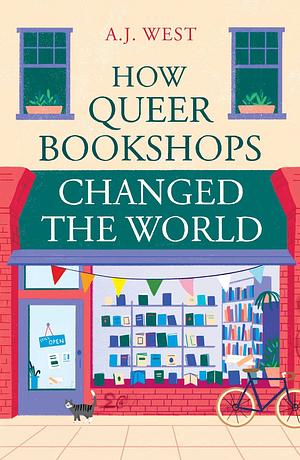
As you see, it’s a fairly random mix! Here are the reviews:
- The Shortest History of the Dinosaurs: The 230-Million-Year Story of Their Time On Earth (Riley Black)
- The Meteorite Hunters: On the Trail of Extra-Terrestrial Treasures and the Secrets Inside Them (Joshua Howgego)
- Beyond Belief: How Evidence Shows What Really Works (Helen Pearson)
- Enshittification: Why Everything Suddenly Got Worse and What To Do About It (Cory Doctorow)
- Dressing the Queen: Two Hundred Years of Makers and Monarchy (Kate Strasdin)
- Japanese Dress in Detail (Josephine Rout)
- Beatrix Potter: Drawn to Nature (various authors)
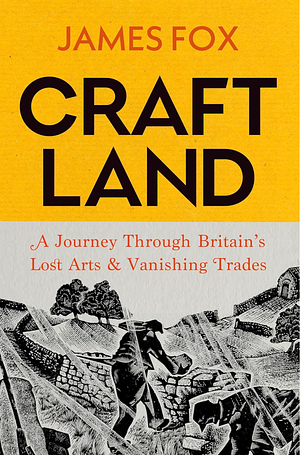
- Craft Land: A Journey Through Britain’s Lost Arts & Vanishing Trades (James Fox)
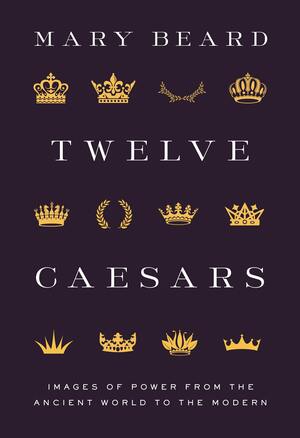
- Twelve Caesars: Images of Power from the Ancient World to the Modern (Mary Beard)
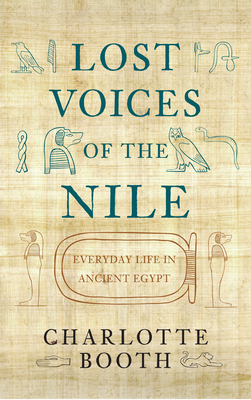
- Lost Voices of the Nile: Everyday Life in Ancient Egypt (Charlotte Booth)
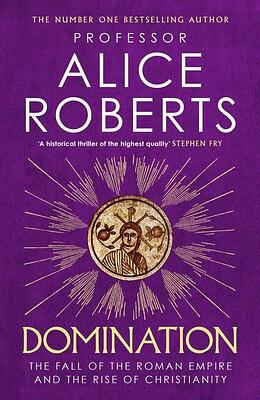
- Domination: The Fall of the Roman Empire and the Rise of Christianity (Alice Roberts)
- Embers of the Hands: Hidden Histories of the Viking Age (Eleanor Barraclough)
- Welsh Food Stories (Carwyn Graves)
- How to Kill A Language: Power, Resistance and the Race to Save Our Words (Sophia Smith Galer)
- Cryptic: From Voynich to the Angel Diaries, the Story of the World’s Mysterious Manuscripts (Garry J. Shaw)
- How Queer Bookshops Changed the World (A.J. West)
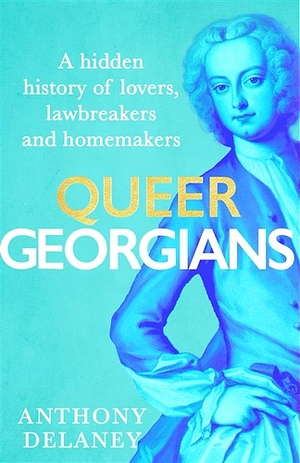
- Queer Georgians: A Hidden History of Lovers, Lawbreakers and Homemakers (Anthony Delaney)
My review of The Welsh Language: A History (Janet Davies) isn’t up yet, but in brief, I found it a good primer to the history and culture of the Welsh language.
Notable three-star non-fiction I read in 2026:
In my writing system, a three-star read is still a “liked it”. I won’t go over all of my three-star reads, but there are some I found interesting to read and talk about, and one person’s ‘meh’ is another person’s perfect book, so you never know… you might find something perfect for you here! For these, I’ve added a brief note about why I had reservations, so you can decide if you want to check out the full review.




- A Woman’s Work: Reclaiming the Radical History of Mothering (Elinor Cleghorn) — I found this an emotionally tough but interesting read.
- 20th-Century Fashion in Detail (Claire Wilcox et al) — this series is pretty amazing, and this volume is gorgeous as ever; I just have quibbles on presentation.
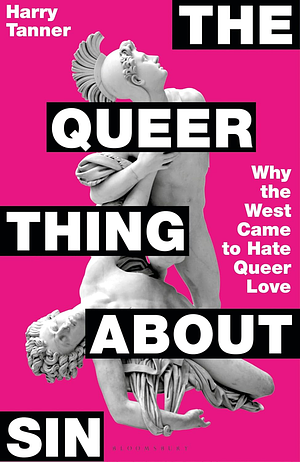
- The Queer Thing about Sin: Why the West Came to Hate Queer Love (Harry Tanner) — this has interesting ideas flawed by unconscious assumptions and poor understanding of non-Christian religions.
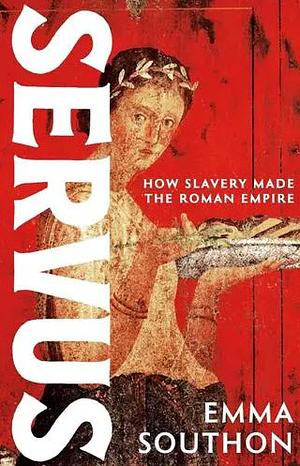
- Servus: How Slavery Made the Roman Empire (Emma Southon) — lingered enough on certain aspects that it began to feel prurient, but a good history.
- A History of the World in 50 Pieces (Tom Service) — interesting idea, longed for a playlist; also, it’s not really a history of the world, more a history of significant pieces.
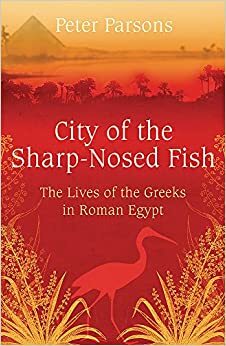
- City of the Sharp-Nosed Fish: Greek Papyri Beneath the Egyptian Sand Reveal a Long-Lost World (Peter Parsons) — would’ve loved more focus on the actual papyri as objects and how they give up their information, rather than only the information they contained.
- Love and Desire in the Promised Land: The Private Lives of Israelis and Palestinians (Deloupy & Salomé Parent-Rachdi) — very wordy for a graphic novel, art not to my taste, but a fascinating perspective.
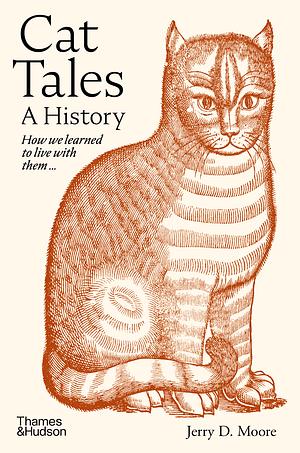
- Cat Tales: A History: How We Learned to Live with Cats and They Learned to Live With Us (Jerry D. Moore) — didn’t discuss house cats as much as I’d hoped given the title.
Bottom line:
I’m surprised all over again by the relative lack of popular science or science history books through each category here for this year (though there are some three-star or lower books I didn’t feature, the pattern held). I guess that maybe having completed my most recent degree (an MSc in Infectious Diseases) and graduated this year, I was escaping a little bit — it was a worthwhile endeavour, and infectious diseases remain fascinating, but maybe I needed a break, ha.
Also, thinking about it, I think a lot of the popular science I encountered in the wild was based around nutrition and rarely seemed to address the immune implications of diet (which I’ve studied), so it wasn’t interesting to me. May that trend pass and more interesting pop-science come my way, please! Santa, I have some requests…
As ever, you can see my usual fairly random interest, with a focus on “a history of X in Y objects” type books, Egyptology, fashion history, Greek and Roman history, and Welsh history. A bit of a theme of queer non-fiction ran through this year, too; that’s not one of my particular interests per se, but it’s obviously relevant and interesting when it does cross my path.
Now I’ve finally done mine, I’m looking forward to reading about everyone else’s year in non-fiction!

Leave a Reply