Tag: discussion

Fantasy with Friends: Magical Schools

Posted March 2, 2026 by Nicky in General / 7 Comments

Fantasy With Friends: A Disccusion Meme hosted by Pages UnboundThis week’s question from Fantasy with Friends is all about magical schools:

Do you enjoy books about schools of magic, or do you think they are overdone? Do you have any favorite magical schools or magical school books?

Which obviously immediately presents the massive Scottish castle in the room, hanging over the discussion. It was a hugely popular school story when I was younger, and it still is, and its fingerprints are inevitably all over a lot of the more recent magical school stories. Given the anti-trans views of the author, the frankly racist worldbuilding and character-naming, and the fact that the author uses her money to fund anti-trans lobbying, needless to say I hold no remaining affection for it. Generally I try to avoid interacting with people who continue to support the author and boost the books, because I don’t feel safe with them.

It gets more complicated when it comes to books that feel informed by the existence of that series. There are several published books lately that are apparently serial-numbers-filed-off fanfics, and I’m not entirely sure how I feel about that. I think… broadly supportive, because I appreciate people taking back their investment and turning it into something of their own. It really depends on how much work has been done to differentiate it from the original source text, and whether it’s fixed some of the underlying issues with it rather than just importing them.

(I’ve also undoubtedly read some without knowing, or at least without knowing before I actually bought it, because I didn’t actually read most of that series, and was never part of the fandom. Some stuff just sails over my head. I wish people would stop assuming the cultural supremacy of that series is so complete that everyone else must be able to recognise it!)

Anyway, to turn the discussion away from That Magic School, I do still enjoy the concept of a magical school story, both the ones that feel informed by the Enid Blyton genre of school story, and the ones that are more American like The Grimoire Grammar School Parent Teacher AssociationI’ve been especially enjoying ones that are told from a more adult point of view, like The Grimoire Grammar School and Emily Tesh’s The Incandescent: it brings a bit of realism to the genre — and frankly, updates it out of the early 1900s nostalgia fest.

It’s also worth remembering that there have always been other wizarding schools, like the school on Roke in A Wizard of Earthsea. That feels to me like it springs from different roots, and I definitely don’t feel like that kind of otherworldly wizarding school is played out as a story, nor so beholden to That Series.

So yeah, ultimately I feel like the subgenre got over-dominated by That Series and responses to it, and I’d love to see more fantasy schools that aren’t essentially based on British boarding schools of the early to mid 1900s… but I’m not averse to the subgenre automatically. Bonus points if you manage to be queer-inclusive!

Tags: , ,

Divider

Fantasy With Friends: The Chosen One

Posted February 23, 2026 by Nicky in General / 4 Comments

Fantasy With Friends: A Disccusion Meme hosted by Pages Unbound

It’s Monday, so time for more of the Fantasy With Friends discussion meme (hosted at Pages Unbound). This week’s discussion theme iiiis:

“The Chosen One” is an often-mocked trope in fantasy literature. Do you frequently run across this trope in the books you read, or has it been a while since you encountered it? Do you dislike it, or do you think it can be done well? Are there any interesting twists on the Chosen One you’ve seen?

I think the “Chosen One” trope can be a lot of fun whether it’s played straight, subverted, or dissected. I’m actually having trouble thinking up examples right now where it’s played straight, because that was more common in a different era of my reading, and it also depends on how literal you want to be. To hark back to Tolkien, since we were talking about it last week, was Frodo chosen, as Gandalf suggests? Or did he just put his hand up and take it on because he was a good person? Is it kinda both? I know a lot of people read it as Frodo being Chosen, but does that mean he doesn’t have a choice…?

Playing it straight but digging into what it might mean to be Chosen, Seanan McGuire’s Wayward Children books try to examine the impact on the the type of Chosen Ones who travel to another world (like the Pevensie kids in the Narnia books, and other portal fantasies), and what happens once their part in the stories is done. What happens if they stop fitting the role, or falter, or slip out of their world?

In more recent reading, I liked the way that Caitlin Rozakis’ The Grimoire Grammar School Parent Teacher Association handled it. There’s a prophecy, there’s a constant stream of large and small disasters, and the protagonist’s kid is being whispered about as a bringer of calamity (while others are being positioned as potentially Chosen Ones to act in opposition to her). But (spoilers ahead) the prophecy isn’t like that at all, the kids are all just kids, and someone’s benefiting from pretending things might be otherwise.

Another way to play with the Chosen One trope is the accidentally Chosen One. I’m thinking of The Other World’s Books Depend on the Bean Counter, where the magical kingdom of Romany use magic to snatch a girl from modern Japan. She’s their Chosen One, but they inadvertently bring along Seiichirou Kondou as well because he sees her being dragged into a magical portal and begging for help, and goes to rescue her. In the end, he’s as instrumental as she is to solving the problem they needed a Chosen One for, if not more — and he makes sure they will never need to do so again, fixes the kingdom’s finances, and pushes along massive technological advances.

Along the way, Seiichirou also warns the girl who is the Chosen One not to blindly help the kingdom without examining what they’re asking of her, which… she doesn’t take well, but is actually a good point. What if you’re chosen for something awful? I think “the Chosen One doesn’t want to be a Chosen One” (for whatever reason) is probably a bit overplayed itself by now in simple forms, but I can think of a bunch of fun ways to play with it still…

On another tangent, I love that in Omniscient Reader’s Viewpoint, Huiwon gets sponsored by a righteous “constellation”, and gets a skill called “Time of Judgement”, which allows her to fight and destroy evildoers. It’s not quite the same as the Chosen One trope, but she’s chosen by the constellation and essentially becomes his incarnation, so it’s close. The problem is, “Time of Judgement” will only activate when approved by her sponsor and constellations aligned with him, and Huiwon’s definition of evil and evildoers is different from theirs. Early in the story, she frequently tries to call on “Time of Judgement” and is declined, even when she sees things she feels are deeply wrong. So what if you’re a Chosen One, but your intentions don’t fully align with those of whoever is doing the choosing?

So… I think there are reasons to mock or avoid the trope, because it can be really overused and under-examined. For me, though, there are so many ways to put a fun spin on it, or dig into what it might actually mean for the characters, and otherwise do surprising and interesting things with it. I won’t say I’d never read stuff with a Chosen One trope, but I do prefer it when people are consciously playing with it and teasing out the implications!

Tags: ,

Divider

Discussion: Book Covers

Posted February 3, 2026 by Nicky in General / 10 Comments

After the Top Ten Tuesday prompt about interesting typography this week (check out my post if you’re curious), I saw a few people commenting that they don’t even look at book covers, “don’t judge a book by its cover”, “book covers don’t matter”, etc. And there’s a sense in which this is true — I’ve read some books with truly awful covers, really plain covers, etc. I’m not a visual person, so I don’t find covers particularly memorable, in general. I often describe them simply, just by the title and name of the author, because once a book is in my hands I don’t think an awful lot about it.

However, I think it’s a bit rash to dismiss book covers entirely! They’re serving an important purpose: they help the right people find the book, in a number of different ways, starting as simply as “by having the author’s name and title on the cover”.

(I’m going to discuss some examples below: unfortunately they’re all pretty visual, because cover design is — but I’ve made an effort to add more descriptive alt text than I usually use, since the purpose of these cover images is to illustrate a point.)

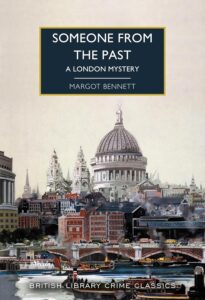
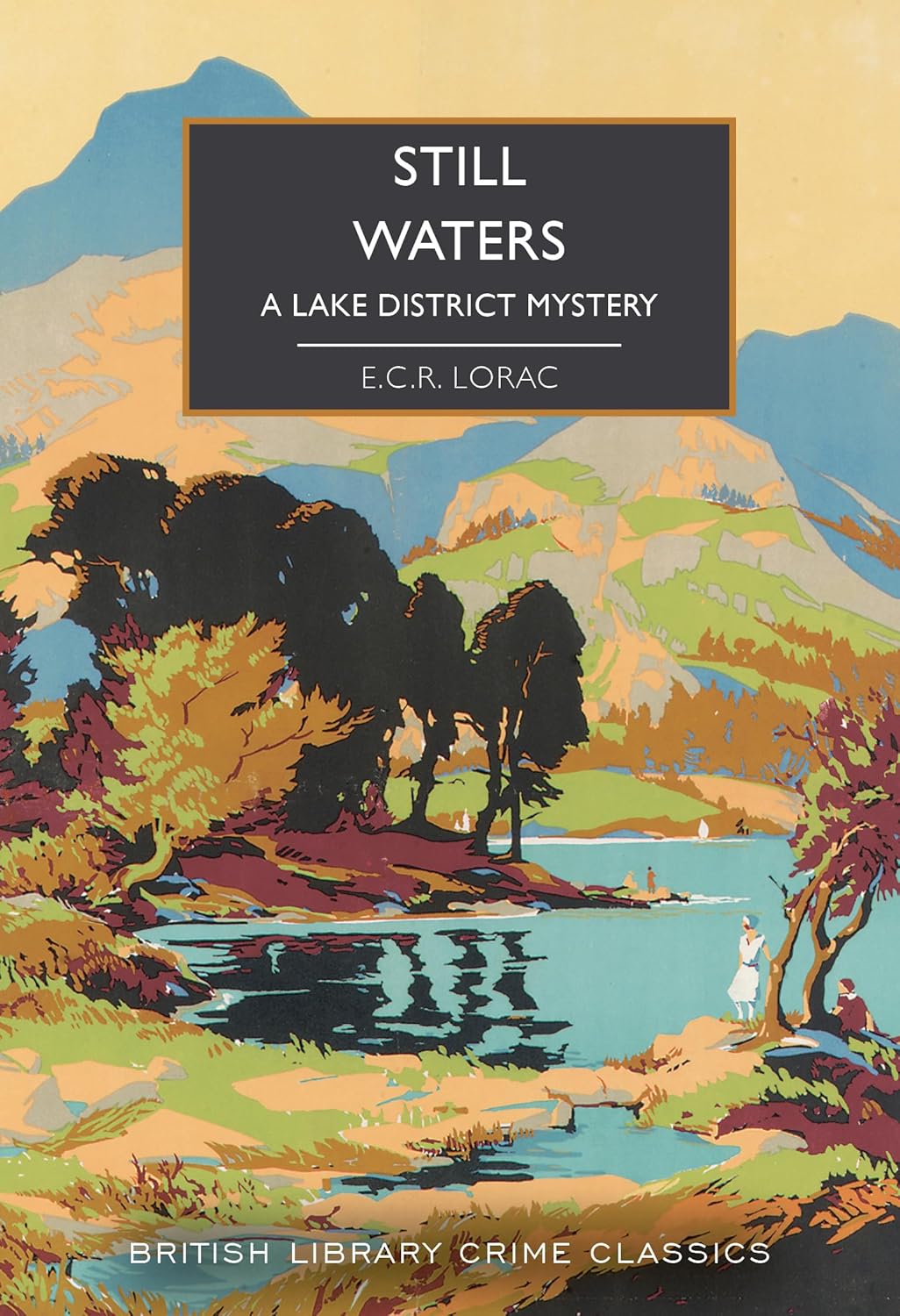
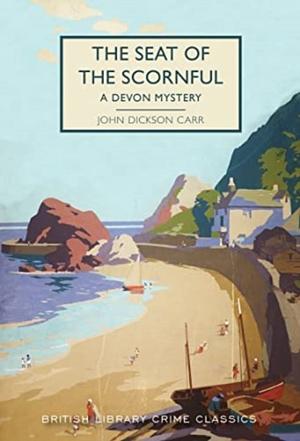
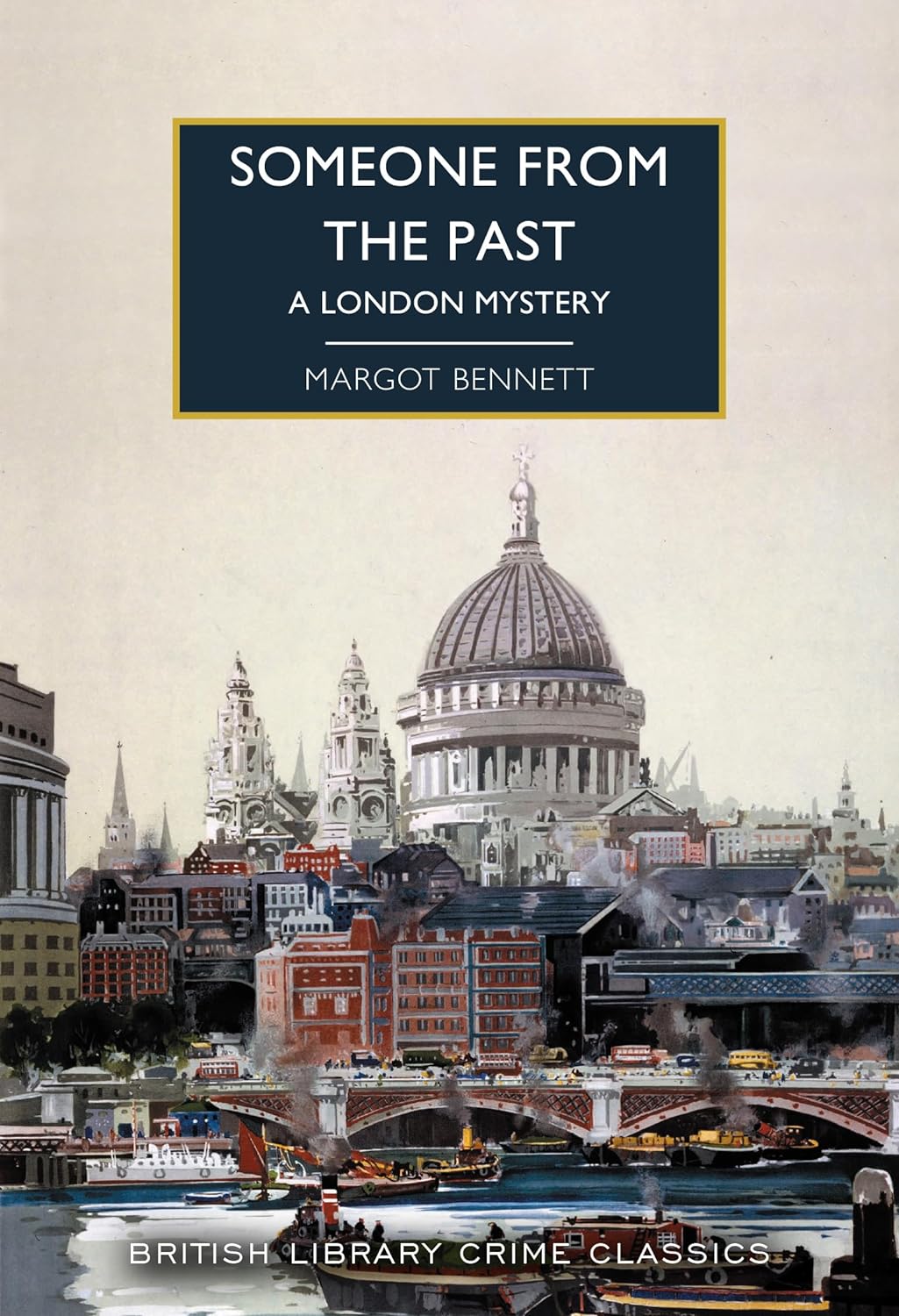
Consider the British Library Crime Classics books: they’ve got a cohesive design principle, all based on old travel posters, so you know immediately when seeing one on a shelf what it is. You’re gonna get a classic British mystery, with traditional crime/mystery elements, with a helpful introduction (usually by the series editor, Martin Edwards), which contextualises the story a bit in terms of who the author was, any other pen-names they used (particularly useful with writers like E.C.R. Lorac/Carol Carnac, Miles Burton/John Rhodes/Cecil Street, Francis Iles/Anthony Berkeley, etc), etc.

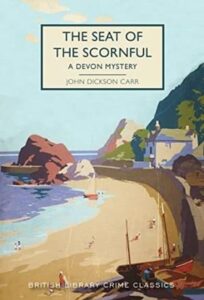
Cover of Still Waters by E.C.R. Lorac; the cover image is a painting of idyllic Lake District scenery with trees, water and high hills in the background. The effect is vintage, because it's actually a vintage travel poster. The title and author are in a square in the middle top which is a very standard layout for this series. At the bottom, it says "British Library Crime Classics" in a plain all-caps font, fairly unobtrusive. Cover of The Seat of the Scornful by John Dickson Carr; the cover image is a painting of a seaside scene, with a sandy beach, blue water, and a few boats. The title and author are in a square in the middle top which is a very standard layout for this series. At the bottom, it says "British Library Crime Classics" in a plain all-caps font, fairly unobtrusive. Cover of Someone From The Past by Margot Bennett. The image is a painting of London, showing distinctive buildings like the dome of St Paul's. The title and author are in a square in the middle top which is a very standard layout for this series. At the bottom, it says "British Library Crime Classics" in a plain all-caps font, fairly unobtrusive.

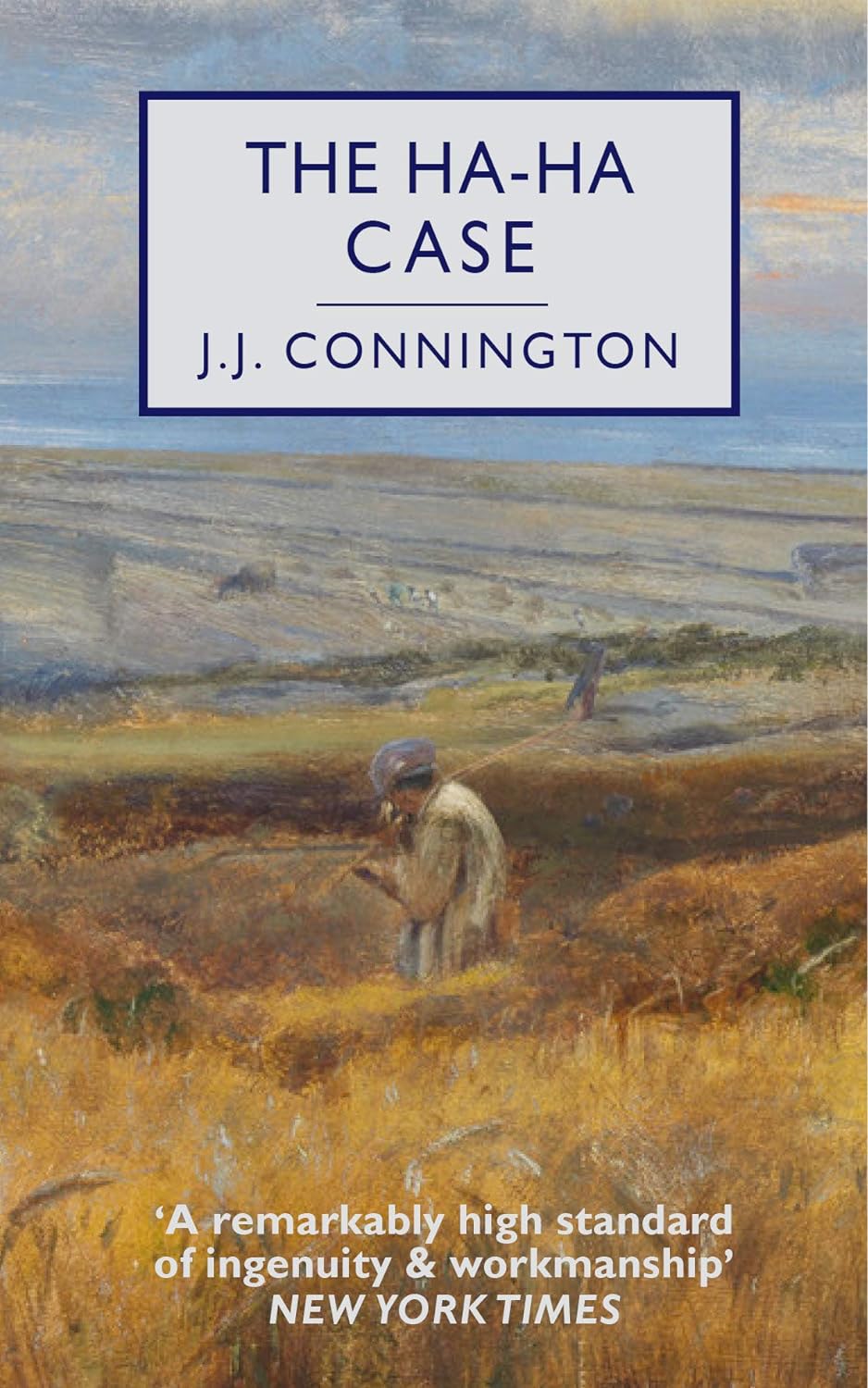
They’re so iconic that they even get copied by others in the genre. Some of those I’ve seen have just been modern pastiches of the Golden Age style, which I admittedly find a bit annoying because it’s misleading, while others are classic authors who haven’t been picked up (yet?) by the British Library Crime Classic series for one reason or another.
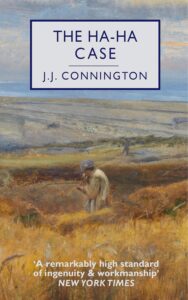
Cover of The Ha-ha Case by J.J. Connington; the image is a painting of a rural scene, with a vague figure amongst golden fields. The title and author are in a box at the middle top, like the British Library Crime Classics, but it's subtly off with larger text and a slightly different font. The front also includes a quote from the New York Times, which the British Library Crime Classics never do.

I enjoyed The Ha-Ha Case, as I recall, in much the same way as I enjoy most of the British Library Crime Classics: it’s a classic mystery with classic elements. It’s quite right to try to use the same signals to readers, at least in terms of picking the right audience, since J.J. Connington is a classic writer whose work would fit beautifully into the British Crime Classics series. Whether you love them for their own sake, because you’re interested in that period of the genre in general, or both (as in my case), the cover steers you pretty fairly here.

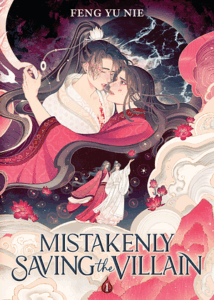
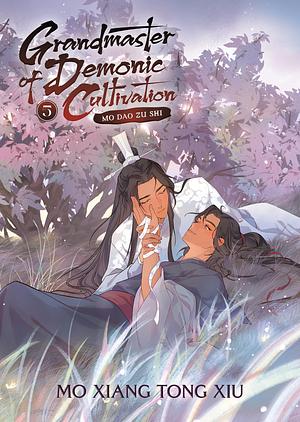
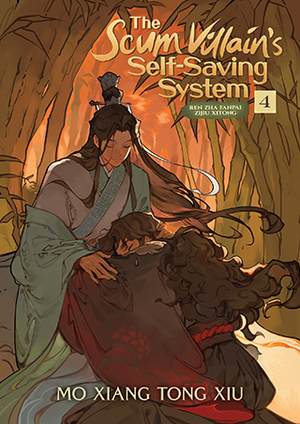
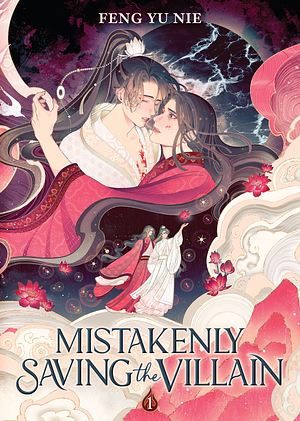
Another example where the covers are doing a lot to draw in the right readers would be danmei. Seven Seas (the publisher of a lot of translated danmei) use very similar design principles to help draw in readers, and I think I could recognise their cover designs at a hundred paces.
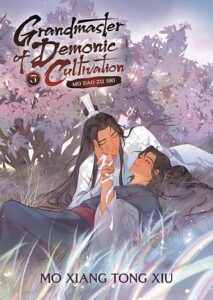
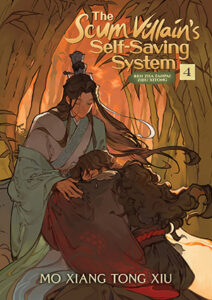
Cover of Grandmaster of Demonic Cultivation vol 5 by MXTX; a pastel-coloured cover, featuring two men lying in an idyllic field. One, dressed in dark clothing, has his hands tied with a white ribbon, and reaches up to cup the cheek of a man dressed in white. Cover of The Scum Villain's Self-Saving System vol 4 by MXTX; the cover is full of orange tones. A man dressed in green with long flowing hair embraces a man who is kneeling at his feet and hugging him around his waist, leaning his head into him. He seems to be comforting him. Cover of Mistakenly Saving the Villain vol 1 by Feng Yu Nie; a man dressed in red embraces a man dressed in white, both smeared with blood, with clouds, flowers and lightning around them, and below them two smaller figures (the same men) standing together with one gesturing to a flower.

These covers are telling you really important things about settings, the central relationships (romances between men), that the books are in a series… and they also help to enforce the really strong rules danmei often seems to have about how the characters should be imagined. You know immediately how Shen Qingqiu “should” look according to the author’s imagination. You’ll find his character design varies astonishingly little across different translations (though Binghe varies a bit more, e.g. not always having the curly hair, his outfits are consistent).

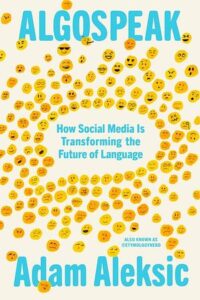
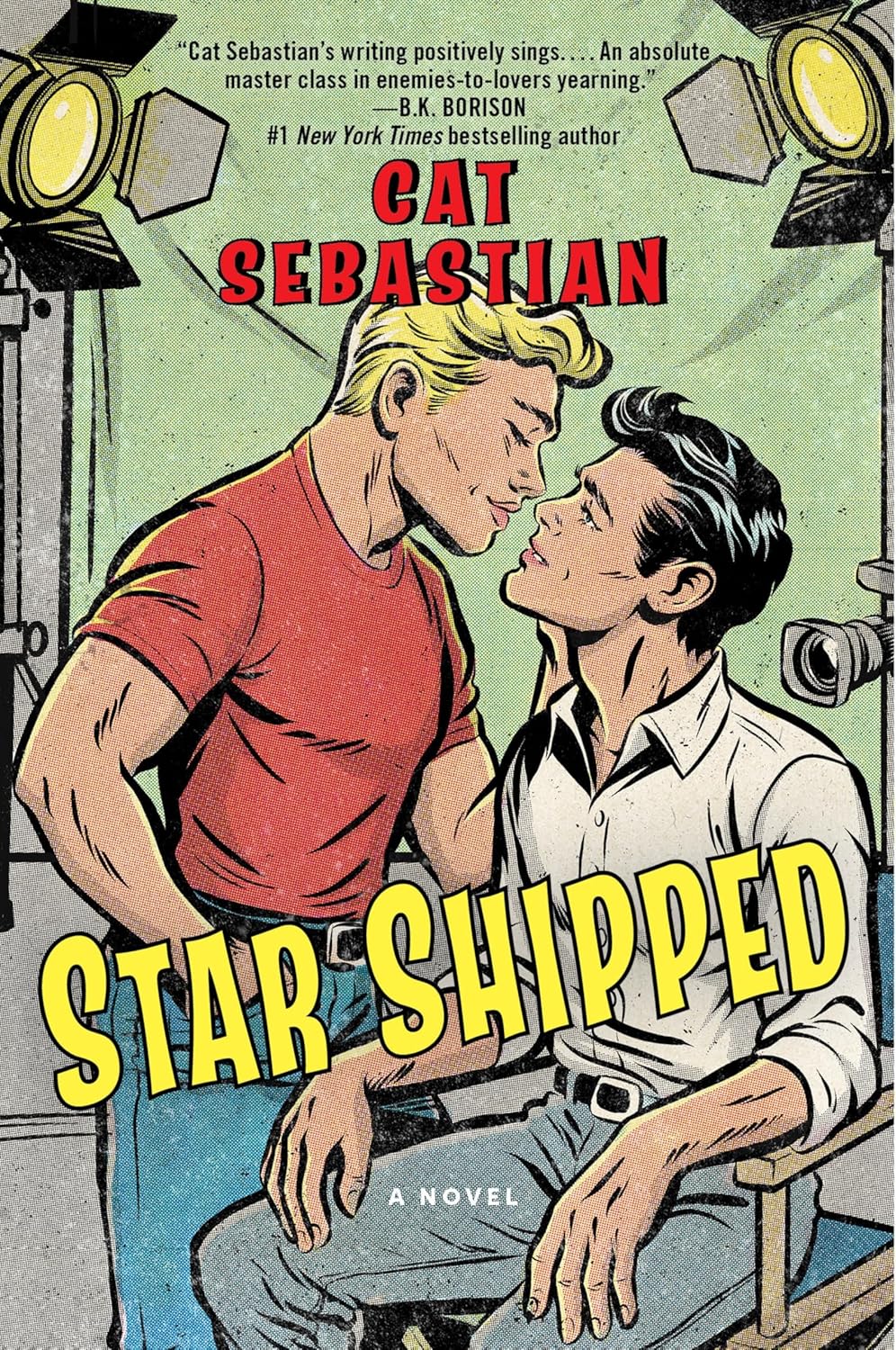
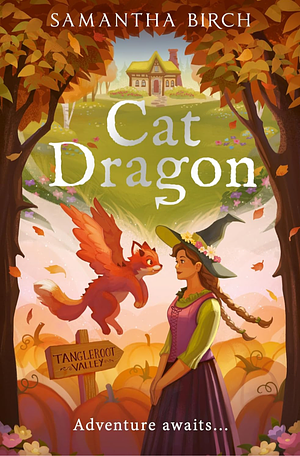
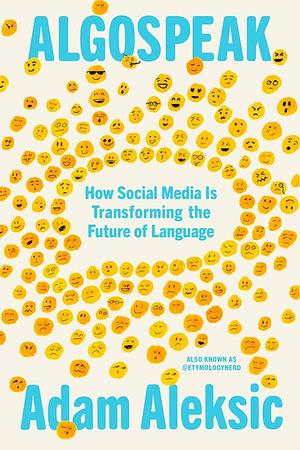
The same is true of so many genres: you don’t need to guess for long to know the genres of the covers below:
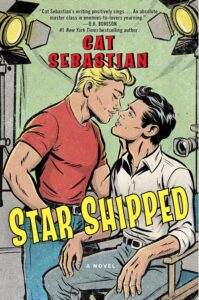
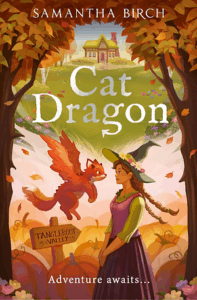
Cover of Star Shipped by Cat Sebastian; the cover is clearly on a movie/TV set, with one dark-haired man in a chair and a blond-haired man leaning over him. They look about to kiss. The font for the author's name and title is a bit comic-booky, or like the covers of pulpy fiction. Cover of Cat Dragon by Samantha Birch; an autumnal looking cover with red-leaved trees, and a house framed between them in the background. A woman with her hair in plaits wearing a traditional tall witches hat decorated with flowers confronts a cat-dragon, which looks fluffy and cat-like but with dragon wings. Cover of Algospeak: How Social Media is Transforming the Future of Language by Adam Aleksic; dozens of emoji frame an empty space the shape of a speech bubble, which contains the subtitle of the book. Cover of Platform Decay by Martha Wells; a dark cover showing a figure in some kind of body armour with a helmet on. The visor is dark and we can't see a face. They seem to be moving in zero gravity, along the suggestion of a ladder in the background.

Respectively: romance, fantasy, non-fiction, sci-fi.

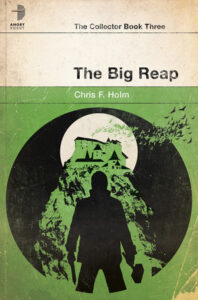
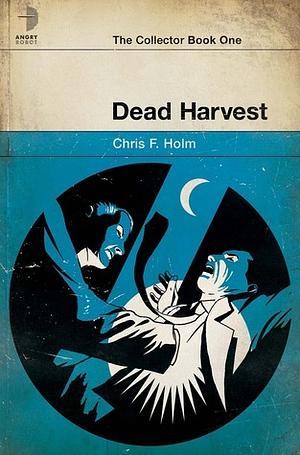
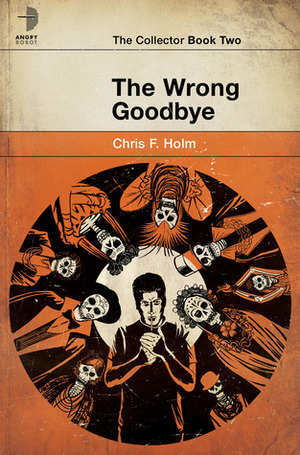
When something starts melding genres, covers can be a really big part of communicating that too. Here’s a series that I really loved, which melds a classic private eye kinda story with fantasy:
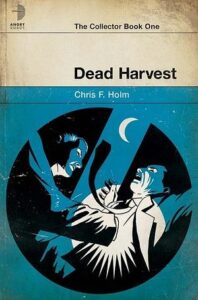
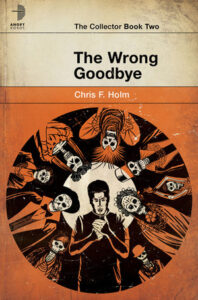
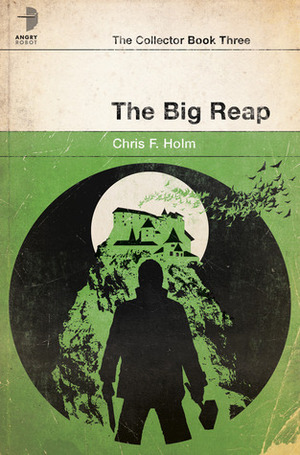
Cover of Dead Harvest by Chris F. Holm; the cover looks like a classic pulpy detective story, but the image is of a man reaching into another man's chest surrounded by a burst of light, and a moon hangs in the background. Something supernatural is conveyed. Cover of The Wrong Goodbye by Chris F. Holm; another pulp detective type cover, this one featuring a group of people in a circle staring down, as if the viewer is on the floor or even in a hole in the ground. Cover of The Big Reap by Chris F. Holm; a classic pulp detective cover, but this one with the image of a creepy house and the moon, and maybe bats or birds flying across? Against these you see the silhouette of a man with weapons in his hands.

If you can, look how clever those are! Given the Raymond Chandler references, I’d bet there are covers of Raymond Chandler’s books that look just like this. But the images make it clear that there’s more going on too — I think these are such clever designs.

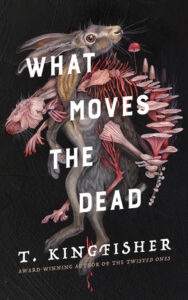
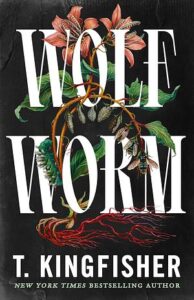
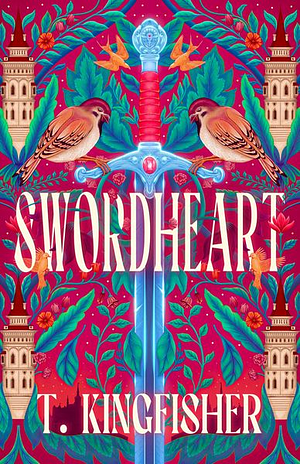
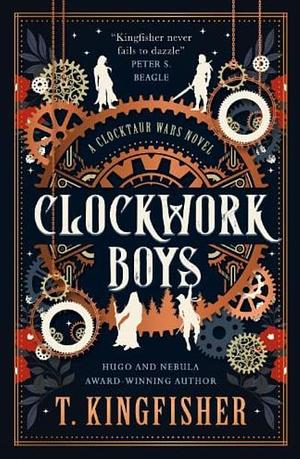
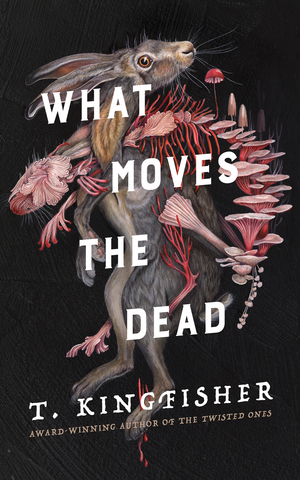
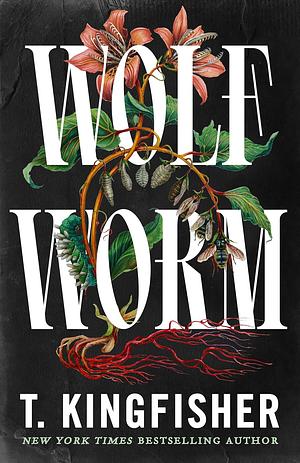
For another example, sometimes covers can be helpful to tell you what to expect for an author who writes several different genres. Compare these T. Kingfisher covers, some for fantasy novels, others for horror.
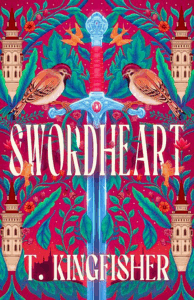
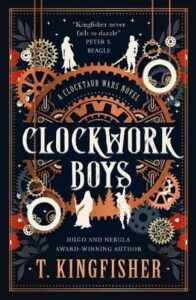
Cover of Swordheart by T. Kingfisher; a really bright and busy cover. A sword is the centrepiece but there are also birds and flower/leaf motifs. The effect is a bit like a kaleidoscope. Cover of Clockwork Boys by T. Kingfisher; there are various silhouettes of characters: a guy in armour with a sword, a wizard-like silhouette in a robe or dress, a thief hanging from one of the letters of the title. These are all standing/sitting on intricate interlocking cogs that look like clockwork. Cover of What Moves The Dead, by T. Kingfisher; a hare is the main feature, but it has fungal growths coming off it already and it looks sick/dead, or maybe like bad taxidermy Cover of Wolf Worm by T. Kingfisher; the words of the title are intertwined with repellant looking flower-growths, with roots below that look almost like capillaries.

Did you have trouble telling which was which? Sure, the titles give a bit of a hint too, but sighted people are probably able to tell even before they look at the words.

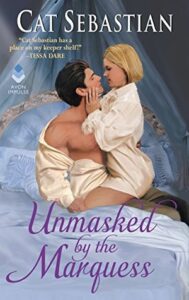
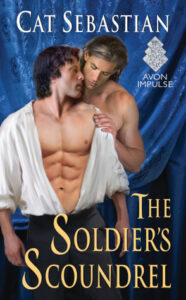
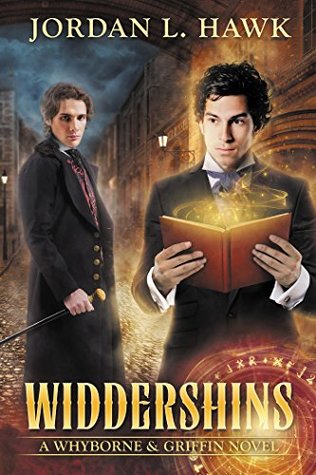
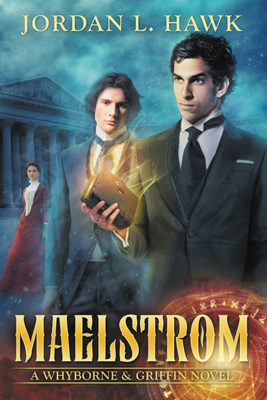
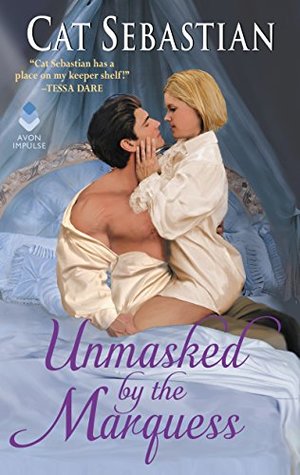
Even covers with lower budgets, or which miss the mark in certain ways can give you a lot of info about what you’re getting into. I don’t love the covers below, but they still give you important info:
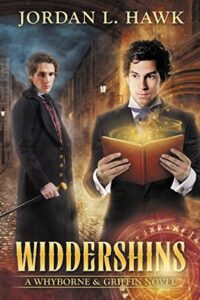
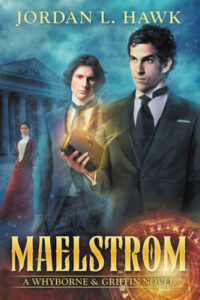
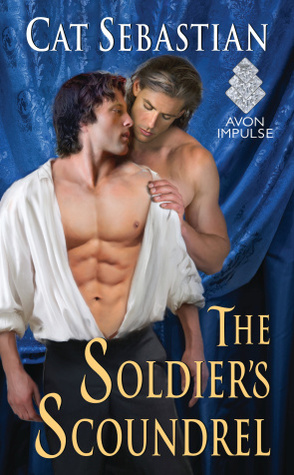
Cover of Widdershins by Jordan L. Hawk; the cover has two men on it in old-fashioned dress, telling you the period of the story, while one of them holds a book surrounded in golden light, suggesting magic. Cover of Maelstrom by Jordan L. Hawk; the same two men as the cover of Widdershins tell us this is the book in a series, the font tells us that as well, a woman in the background gives a hint at plot... Cover of Unmasked by the Marquess by Cat Sebastian; a short-haired blond female-bodied person dressed in a shirt straddles a dark-haired man with his shirt half-off. Cover of The Soldier's Scoundrel by Cat Sebastian; a possibly naked man stands behind a man whose shirt is most of the way off, their faces close. It is clearly a romantic image.

You can see the heroes of the Jordan L. Hawk series, and see that it is a series through the cohesive cover design. You can get the fantasy/horror vibes and an idea of the main pairing dynamic. From the Cat Sebastian covers, you can instantly tell it’s a romance and an idea at the pairings therein — though this is a little misleading in the case of Unmasked by the Marquess, one of the more unfortunate covers of Sebastian’s books. All the same, even with its flaws, it’s giving you important signals.

I didn’t even dig particularly deep for the examples here, or dig into the complex design principles behind many covers — this was an off-the-cuff quick post! The point is: covers are actually important, and cover artists can do an enormous amount for a book. Even on ebook stores, the cover is usually displayed, same on social sites like Goodreads and StoryGraph: unless you literally can’t see the covers (which of course is true of some!), there’s some degree of influence, even if it’s “oh, that has a self-published look” or “that’s a fantasy book”, etc — even when you may not be fully aware of it.

So in short, I think we should celebrate cover artists and designers, don’t discount their work! Sometimes the books don’t match up to the covers, and sometimes covers do the book a disservice — this will always be true. But covers have a valuable job to do, and books can find the right people through them.

Tags: ,

Divider

Discussion: Finishing 1-star reads

Posted July 17, 2025 by Nicky in General / 0 Comments

Lately I’ve had a few comments by people who’re surprised I’d finish a book I ultimately rated with just one star (which is, in my rating system, “didn’t like it”) or two stars (“it was okay”), so I wanted to dig into that a bit.

I’m a bit bemused by getting so many comments surprised that I finished a book that I rated two-stars, because a book being “okay” isn’t that terrible an outcome. My bet would be that more often than not it’s because they’re not paying attention to my rating system, seeing three-stars as the “it was okay” sort of mark, which I’m probably going to partly solve by specifying what each rating means every time I post, as I already do when I boost my reviews on social media.

(As an aside, I think we think we have a consensus about how to rate books, and how to read other people’s ratings, but we really don’t. I think more bloggers should be as explicit as I am about what their ratings mean to them, to help other people interpret them, and we should all be used to looking for how someone defines their ratings.)

But regardless, there are a few reasons why I’d finish a book I eventually don’t rate highly. Here goes:

  • The ending is the reason I lowered the rating;
  • Similarly, it was finishing the book and getting perspective that made me decide to give a low rating;
  • The author used a trope I hate, and I hung on to see if they’d subvert it… and they didn’t;
  • I did research after finishing the book and realised that I’d missed something problematic that changed my enjoyment of it;
  • It was a non-fiction book that I found interesting to read (e.g. for style reasons, or because the author’s ideas are illuminating even when misguided) but which ultimately had serious flaws;
  • I read the book because it aligns with my particular interests (most commonly because it’s classic crime) and I was curious about it because of its influence on the genre (remember, I have two degrees in English Literature; even if I don’t formally study it now, I have my interests still), but didn’t enjoy it in itself;
  • want to post a fair and thoughtful review about it, so I need the full context of finishing it;
  • I want to post a venting review about it, but I want to be sure of my facts;
  • I found it interesting and worthwhile but I couldn’t possibly say I liked it because it was dark or gross (though usually here I divert from my personal rating system a little and give points for more nuanced “this was an interesting on an academic level” reactions as well as simple enjoyment, and then say so in my review);

…and there are probably many other reasons and combinations of reasons. I do actually DNF books that meet none of my criteria, I just don’t then review them (most of the time).

And there’s another thing, too, that’s not quite a reason why I finish such books, but definitely part of why I write reviews about low-rated books: ratings are subjective, even when you don’t think they are. My one-star book (“didn’t like it”) is someone else’s four-star (“really liked it”). Personal taste is a huge part of why people like or dislike books, and it’s disingenuous to pretend otherwise. When I rate something two-stars, that doesn’t mean I’m saying it’s a bad book. It just means I didn’t like it.

Personally, when I decide whether to read a book, I often look at five-star and one-star reviews, and less often the ones in between. The thoughts of those who react with passionate love or hate for a book can tell me a great deal, even if I don’t know how the individual reviewers rate books.

In the end, this is part of why I actually didn’t give ratings at all when I originally launched my blog. I wanted my reviews to speak for themselves, without the simplifying interpretation that a certain number of stars can put on it. Even when I did add star ratings, I kept on using them in my own (clearly defined) way, refusing to treat them as an objective marker of a book’s quality.

In the end, sometimes finishing (and reviewing) a book I didn’t like can be worth it, all the same, for me and for others who are interested in my thoughts on that book.

Related discussion post: How to Rate

Tags:

Divider

Discussion: How to Rate

Posted July 10, 2025 by Nicky in General / 13 Comments

It’s been a long time since I wrote any discussion posts, but I’ve been mulling over this topic lately. Especially with non-fiction, but sometimes with fiction as well, people get quite annoyed with the way I rate books. Back when I was on Goodreads, there was one guy who would often comment and note that he expected “better” of me (because of my English lit degree) when I didn’t like the classics or rated a book low just because I didn’t like the characters.

So first off, to set the scene, how do I rate? I rate the same for both fiction and non-fiction: did I like it? Did I enjoy it? I do not try to give anything some kind of “objective” rating, because I believe that’s very difficult — and also not useful to the majority of people who read my reviews. Most people who read my reviews don’t want to know if I thought Payment Deferred (C.S. Forester) was technically interesting, but whether it was enjoyable as a piece of classic crime fiction. Is it worth reading?

(The answer is “maybe”. If you’re particularly interested in inverted mysteries, it might be one for you. If you’d hate spending a whole book following around a murderer and watching how that splits his family apart, with everyone behaving horribly, then skip it.)

Instead, I give ratings that are consistent and over time can give you a picture of what I like and dislike, and you can then take me with a pinch of salt. There are a few reviewers I know whose ratings I don’t exactly agree with, but I know what they mean.

I got my rating system from Goodreads waaaay back when I was a teenager (I suspect we’re at over 20 years of me rating and reviewing books now, yikes):

  • One star: disliked it
  • Two stars: it was okay
  • Three stars: liked it
  • Four stars: really liked it
  • Five stars: it was amazing

I know some people always disliked that scale, and ignored that way of rating books. I know authors tie themselves in absolute knots over getting a one-star review, as if it means anything other than “this reader didn’t like my book”. But I always liked the fact that it had plenty of room for nuance on books you get along with, and didn’t waste a lot of time with gradations of dislike, and that it’s focused on whether you enjoyed reading the book.

Is it fair to rate non-fiction books based on whether I liked them? Yeah. I’m reviewing for fun here. There are several non-fiction books I’ve liked which are scanty with their sources, but stylistically enjoyable. You take ’em with a pinch of salt and move on, enjoying the language or the flight of rhetoric as you go.

There’s one guy who is completely wetting himself over on Goodreads about a really old review of mine, about a non-fiction book, complaining that I wasn’t rating the book but my reaction to it. And: yep. Unashamedly, forever, yep. But I did also write extensively about why — the weird judgements of sexualities other than heterosexuality, the references to discredited research, etc. As I noted in the review, the research hadn’t yet been discredited at the time the book was written, but the signs were there: obvious biases in recruitment into studies, conflicts of interest, poor statistical literacy.

You can take my opinions on these things for what they’re worth. Reading on my blog, you know more or less who I am — queer; British (Welsh); in my thirties; studied English lit, biology and infectious diseases; lover of libraries — and a thinking reader can quickly ascertain what I’m about and where I stand, and thus what I bring to reading and reviewing. Can figure out, for instance, that I probably do have the chops to evaluate whether someone ought to have known a particular line of research was utter bullshit ahead of time. To study biology or infectious diseases, statistics is a necessity. I’m not good at math per se, but I got a first and a distinction respectively in my BSc and MSc courses on statistics. Put two and two together (as even I can do) and you’ll know whether I’m spouting bullshit or not.

As for objectivity… it requires a great deal of self-knowledge to get anywhere close to objectivity. Sometimes, I do step back and think, “Y’know, objectively, the writing is very beautiful.” And I’ll say so in my review, if that’s what I think.

But that’s not what you need to know, is it?

Tags: ,

Divider

Top Ten Tuesday: Posts That Reveal Me

Posted August 27, 2024 by Nicky in General / 8 Comments

This week’s Top Ten Tuesday prompt is for posts that give you the best glimpse of me. Let’s give it a shot…

  1. Guilty Pleasures. To quote this post, “fuck that noise”. I don’t believe in ’em. I went all the way back to 2015 looking at my discussion posts, found this one, and agree with every word of it still. No such thing as a guilty pleasure.
  2. Spoilers! Also an old post, and still true: I like spoilers. I have read all sorts of stuff about the later sections of Heaven Official’s Blessing, and it really adds to the experience for me.
  3. Why reread? This is a topic that’s come up over and over again: I like to reread books I enjoy, and re-experience them. There’s another more recent post, and it’s not even the only one…
  4. On giving up, but positively and Discussion: Putting the Joy Back Into It. Both of these are about reading/blogging habits I wanted to stop in order to stop feeling a sense of obligation around blogging. I can’t say I’ve always stuck to these resolutions, but it is something that’s important to me in reading and blogging: I’m not doing it as a job, I’m doing it for fun.
  5. Discussion: Real Life. How much should you talk about your real life on your blog? I guess that depends on you, but I’m fairly open about mine (while keeping it mostly about the books).
  6. Why haven’t you read ___ yet? And here you will learn that I’m contrary, and if everyone wants me to read something, I… probably won’t.
  7. Review: Return of the Black Death: The World’s Greatest Serial Killer, by Susan Scott & Christopher J. Duncan. The book is arrant nonsense. My reaction to it is probably pretty telling about the kind of person I am.
  8. Top Ten Tuesday: Reading Memories. This is a recent one — but what better way to know me than through my most salient memories of reading?
  9. Top Ten Tuesday: Authors I’ve Read The Most By. You can know me by the books I love…
  10. Top Ten Tuesday: Things I’d Have At My Bookish Party. My idea of a “party” is pretty telling, I think.

That was harder than I thought, because these days I mostly post reviews, Top Ten Tuesday, WWW Wednesday and Stacking the Shelves/Sunday Post. But I think you can still get a solid idea of who I am and who I’ve been!

Tags: ,

Divider

Weekly Blogging Challenge: Re-reading

Posted October 15, 2020 by Nicky in General / 5 Comments

Wednesday Weekly Blogging Challenge

Welcome to the Weekly Blogging Challenge blog hop, hosted by Long and Short Reviews. This week’s topic is “rereading books: why or why not?”.

The answer for me is that I do, of course — as I think most people around here have noticed, ahaha, since I always write a new review. I’m on my umpteenth review to write of Katherine Addison’s The Goblin Emperor. I have a whole list of reasons, so… let’s make it a list.

  1. For fun. Reading should be fun. I find that I get easily focused away from that fact, and see it happening for other bloggers too. So if rereading a book sounds fun to you — if you’re like, gah, “I can’t remember the ending of XYZ and I really want to reread it” — my answer is pretty much always going to be “go for it!”
  2. For comfort. Familiar literature can be a really different experience to a brand new book. You know what’s coming, so you’re not bracing yourself for the next awful thing that’s going to happen to beloved characters… at least not in the same way! You know what to expect, which makes it a much less daunting prospect when you have had an awful day.
  3. Because it’s better the second time. Maybe that’s because it’s a really complex world and you were totally lost the first time; maybe it’s because the writing is really clever and when you read it the second time, you get to appreciate all the clues; maybe you notice different things, because you’re a different person between now and then.
  4. To prepare for the next book in the series. I’m constantly having to go back to earlier books to remind myself what the heck’s going on.
  5. To share the experience with someone else. I’ve had some great buddy reads where I’ve read the book before, but I also get to see someone experience it for the first time. Lots of fun.
  6. Because it sticks in your head. I’m glad I reread Mira Grant’s Feed, and Marie Brennan’s A Natural History of Dragons, and Mary Robinette Kowal’s Shades of Milk and Honey, because… I didn’t like them that much the first time. But something in them stuck with me, and honestly, they’ve probably all gained two extra stars out of five — or even three — since I first read them. Some alchemy kept happening in my brain after I read them, and when I came back to them because they niggled at me, they opened right up and really worked for me.

I can honestly probably keep going and come up with more reasons. I know some people feel that there are so many books in the world, they can’t possibly justify rereading a book they’ve already read. But it’s not possible to read all the books in the world, even if you never reread even a single page, so if you can find enjoyment in rereading a book… why not?

(I know there are some people who can’t, who hate the predictability, and that’s cool too.)

Tags: ,

Divider

How To Meet Your 2020 Reading Goal

Posted January 1, 2020 by Nicky in General / 13 Comments

Because I read a lot (once upon a time I managed 500 books in a year; now it’s more like 200), I frequently get asked what the trick is. People seem to think I have a lifehack or something that I can share with other people. I’ll break that down a bit more below, but here’s what I think (looking back) is the biggest driver for me meeting my reading goals…

I do best when I don’t care about the goals at all.

My reading has slowed down more and more with every goal I add, every challenge I decide I have to meet. It’s also slowed down because I’m an adult working 30 hours a week and studying and trying to be a healthy person with a tidy house — there’s no denying that. And the increased amount of non-fiction I read now is a factor as well. But there’s a fairly large correlation between when I started really worrying about meeting reading goals and when my reading speed abruptly dropped.

Now, I do have some habits which I think help me read a lot, so I’ll summarise them below:

  1. Always have a book with you. You never know when you’re going to have a tedious hour stuck by the side of the road waiting for a bus or a towtruck. Or a 30-minute wait at an appointment. Even a five-minute wait for the train gives me time to fit in a chapter.
  2. Pick up the book, not your phone (unless the book is on your phone). It goes without saying, really.
  3. Give yourself at least a little room to read based on whims. Reading isn’t meant to be a chore. You don’t need a pre-planned TBR. If you’re really excited to read a book, you’ll remember it. You won’t be able to keep your hands off it.
  4. Buy books you’re excited about. If it’s just a case of “I feel like I should read this”, that book is destined to moulder on the TBR pile forever. And my TBR pile is daunting as heck now because of exactly the wrong kinds of purchasing decisions.
  5. Make the time. It’s been a shit day, but you can still turn some pages. And if you like reading and you’re reading a book you’re excited about, that’s only gonna make your day better.

That’s it. That’s my magic bullet. Everything else comes and goes, but these things are constant and always help toward meeting my goals.

Tags: ,

Divider

2019 Stats

Posted December 31, 2019 by Nicky in General / 4 Comments

Welp, here we are at the end of the year, and I don’t think I’ll be finishing another book before midnight. How’s it been? Well. I’ve read less than I have in a long time. I think I’ve enjoyed my reading more than maybe last year, when I was starting to feel painted into a corner with silly rules. I don’t know if I’ve fixed that, exactly, but I’m hoping I have.

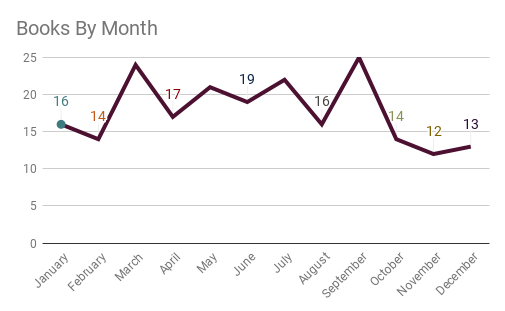
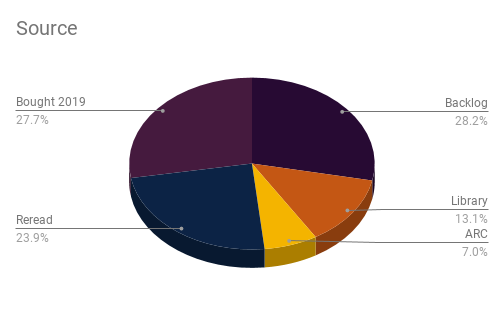
Here are some neat figures from my organisational spreadsheet:

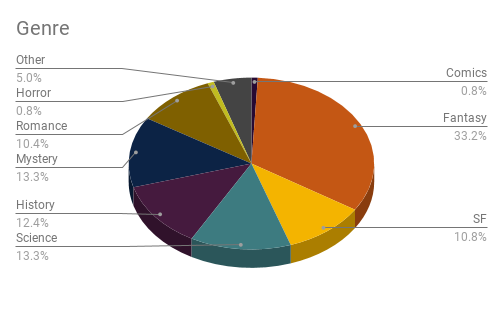
OTHER STATS:

Total read: 213
Number of rereads: 51 (24%)
Total page count: 62,991 (-10,090 from last year)
Most-read genre per month:

  • January: History
  • February: Science
  • March: Science & History (tied)
  • April: Fantasy
  • May: Fantasy
  • June: Fantasy
  • July: Fantasy
  • August: Fantasy
  • September: Fantasy
  • October: Mystery
  • November: Mystery
  • December: Romance

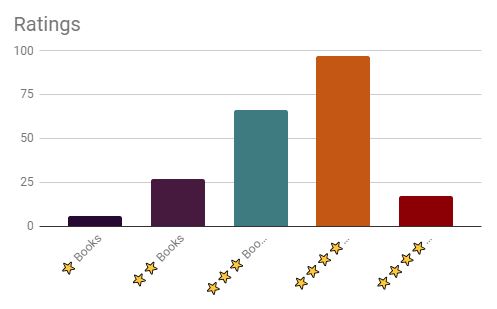
Number of ratings:

  • Five stars: 17
  • Four stars: 97
  • Three stars: 66
  • Two stars: 27
  • One star: 6

First book read: The Bell at Sealey Head (Patricia A. McKillip)
Last book read: The Secret Casebook of Simon Feximal (K.J. Charles)
First book bought: A Murder Most Unladylike (Robin Stevens)
Last book bought: Sorting the Beef from the Bull (Nicola Temple & Richard Evershed)

Tags: ,

Divider

Discussion: Putting the Joy Back Into It

Posted September 17, 2019 by Nicky in General / 10 Comments

Well folks, the time has come to talk of many things. Just up front: I’m not quitting blogging! Things just need to change, that’s all.

But let’s begin at the beginning, with the background: for the last year or two, or… no, let’s be honest, at least three or four years now, reading has started to feel like a bit of a chore. Not all the time, but more and more. When I do read, I enjoy it, but it’s become something I almost have to schedule time for. I’ve tried a couple of different things to make that better (Game of Books is one of them), but I think overall it’s become a bit too much of a boxticking activity. Every so often I get the urge to kick over the traces and ditch all my rules, and each time it’s resulted in a new set of rules and no net gain.

(Particularly because the average number of books I read in a year has fallen, despite all the lists, all the desperation to keep up with things!)

Balls to that, right? So, when was I happy with my reading last? I think in retrospect I’d put that at about the time I started leaving Goodreads, before I kept track of things with spreadsheets and before I started trying to keep some kind of regular blog schedule. (Actually, I pinned this solely to the spreadsheets, but the wife-creature kept poking me to think about what else might be in play.)

So, come the end of this year, I’m going to stop tracking my reading so obsessively. I don’t want to know how many books I’ve read this year. At the moment, my admirable wife is going to take over the tracking (and refuse to let me see it) so that at the end of the year, I can get a bunch of pretty graphs and pie charts to talk about my reading year with. That’s the plan for 2020, and if it doesn’t work out, well, maybe I won’t track my reading at all. I suspect I just need to get the numbers out of it, though; I was very happy when I was using Goodreads for it.

(I’d start now, but I need the spreadsheet to help me with my book blanket project, and I’m far too fond of that to let it go!)

I might also stop trying to track my progress vs my backlog. It’s never-ending, and it’s become about striking books off a list rather than enjoying them. We’ll see; it’s as the whim takes me.

More immediately, and more relevantly for you guys, I’m also going to stop scheduling my posts in advance. One of the things that was part of my routine on Goodreads was going to write a review as soon as I’d finished a book, and publishing it right away. That way I could share my feelings about the books I was reading more or less in real-time.

So, posts will no longer go live at 9:00am BST on the dot; reviews will be posted when I’ve finished a book, and that means there might be two posts on some days and then none for a week. When I get into obsessive mode and read five books in a row about influenza, there could be five reviews all in a row on books about influenza. So be it! I trust you’re all here for my reviews, in all their weird and wonderful variety, and not for a rigid posting schedule.

(For a few days or weeks I do have a backlog of reviews that haven’t been posted yet; I’ll publish those when there’s a day or two without other reviews, but once they’re gone, they’re gone. I do actually have a review for a book I finished today, but I’ll hold it just until morning so there aren’t too many posts on my blog, and more to the point in people’s notifications, in one day.)

I think I will still post a Weekly Roundup and What Are You Reading Wednesday, but I shan’t be obsessive about it either. Blogging isn’t my job — in fact, it has signally failed to produce any income at all on the occasions I’ve tried affiliate links and a donation button — and nor do I want it to be.

I’m trying to have no expectations about how this little project will go — maybe I will read less, not more! But hopefully I will be happier, and I’m sure you all want that for me!

Tags: ,

Divider