This week’s Top Ten Tuesday theme is a genre freebie, so I decided to go with a genre I enjoy a lot: microhistory! I’m technically going to use the term somewhat broadly, but the idea is to take a tiny slice of history and zoom in, using analysis of that small aspect to understand bigger themes and trends.
So here we go! Let’s see what I can pull off my shelves.
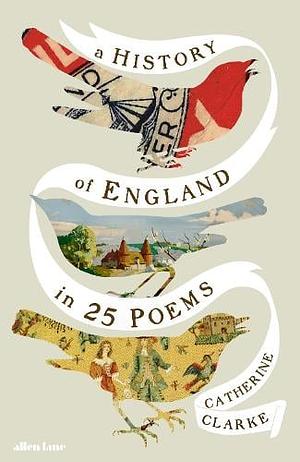
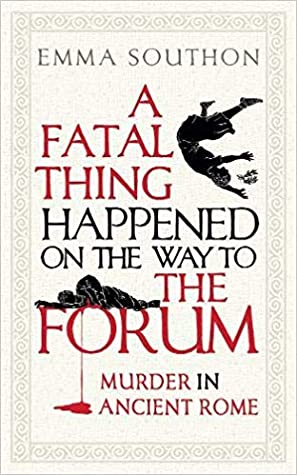
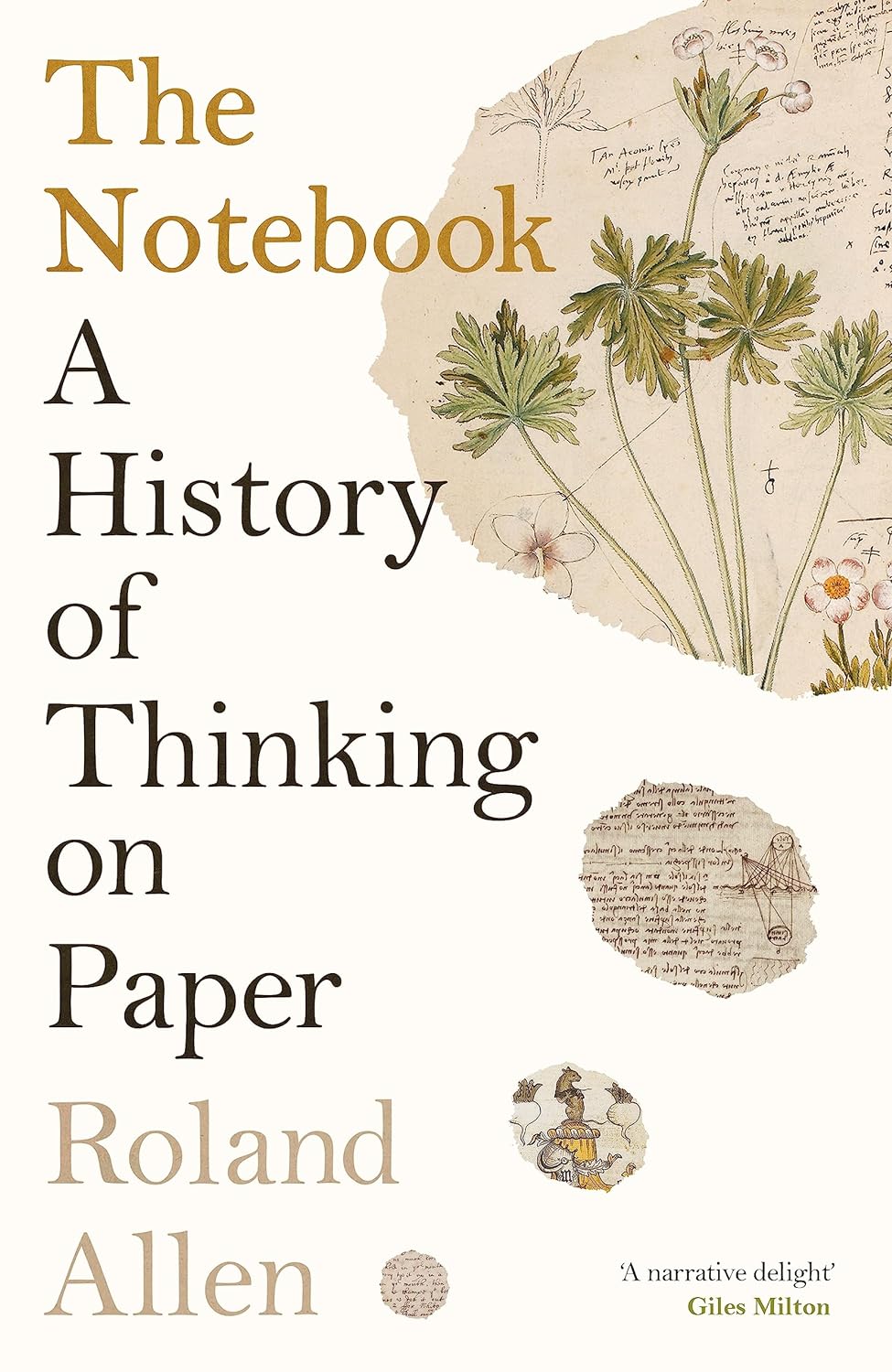
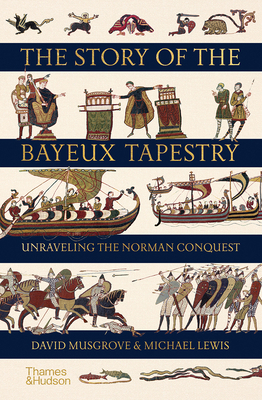
- A History of England in 25 Poems, by Catherine Clarke.
I read this last month, so my review isn’t up yet, but I think it was my first 5-star read of the year. It does a really good job of staying aware of England’s colonial history (including toward Scotland, Wales and Ireland) and picking poems that aren’t the obvious poems everyone would always pick. I highly recommend it: poetry can tell us a lot about history, because it’s written by the people who lived it. - A Fatal Thing Happened on the Way to the Forum, by Emma Southon.
This is a book I read quite a while ago, but I think of it very fondly. It digs into Roman society through the lens of what might count as murder — and what was just considered justified. I loved it. - The Notebook: A History of Thinking On Paper, by Roland Allen.
I really loved the way this book rambled around the history of how people use notebooks, from ledgers to ICU diaries. The idea that something that we might take for granted as much as the idea of keeping a notebook has a whole history behind it is very fun to me. - The Story of the Bayeux Tapestry, by David Musgrove and Michael Lewis.
Of course, it isn’t really just the history of the object itself, but the events it depicts, and how the events have been understood in the years since, in part because of the tapestry. I really loved this one, because it makes clear that we aren’t always certain about what happened and why. - The British Museum, by James Hamilton.
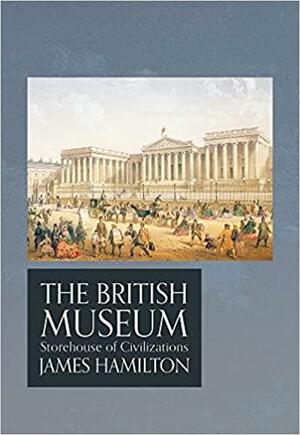
The British Museum didn’t just spring into being, it’s a whole institution with a history of its own. I will caveat that this book isn’t a critique of the British Museum; it’s in awe and support of the endeavour, and barely discusses the issues with the British Museum’s practices of cultural theft. But it’s still fascinating to learn about how the building came to be what it is today. - Soda and Fizzy Drinks: A Global History, by Judith Levin.
I’m letting this book stand in for the whole Edible Series, because I could’ve picked out a whole bunch of those. Food tells us a lot about history: how food traditions travel, whether they’re adopted, imposed or absorbed and changed, tells us a lot about contact between different cultures. (So yes, this particular book discusses “coca-colonisation”.) Sometimes with books in this series, I hadn’t really thought about the history and relevance of that particular food at all, so it’s always nice to dig in. - Chinese Dress in Detail, by Sau Fong Chan.
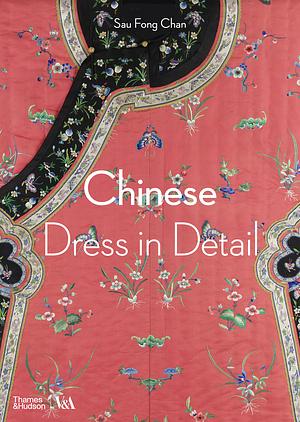
This book isn’t exhaustive, because it’s based on the holdings of the Victoria & Albert Museum, which inherently biases collection of European items. Still, I found it a fascinating introduction, and the author makes sure to be clear that “Chinese” is a bit of an umbrella term, also discussing Uyghur clothing history as well. Like food traditions, fashion reflects the periods it comes from, with influence from other countries as well as industrialisation and the changing needs of the population. The other “Fashion in Detail” books from the V&A are similarly fascinating. - The Button Box, by Lynn Knight.
This was one of the first books I read in this sort of genre: Knight focuses on the buttons she finds in a box of old buttons that has been used and added to by the women of her family, and thus tracks the history of not just fashion, but women’s place in society, technological advances, etc. I reread it semi-recently and didn’t love it as much as I had before, but I still remember it fondly. - Heavenly Bodies: Cult Treasures and Spectacular Saints from the Catacombs, by Paul Koudounaris.
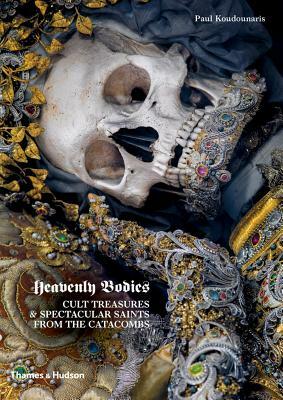
Prior to reading this, I knew little to nothing about the catacomb saints. It’s not a tradition that particularly speaks to me, but I was fascinated to learn how the practice of venerating and decorating the bones of (supposed) saints reflected people’s faith. The photography for this volume is absolutely stunning, too. Macabre, but riveting. - The Sarpedon Krater: The Life and Afterlife of a Greek Vase, by Nigel Spivey.
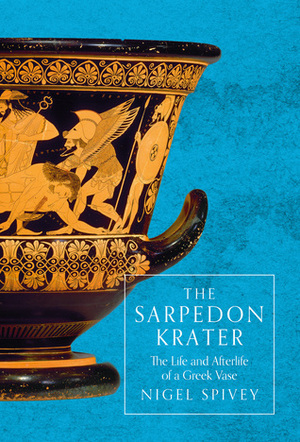
If anything on this list is microhistory, this book’s the one. From a single vase, the scope expands to Renaissance art and modern museum collections (and looting). I didn’t know much about this specific vase before I read it, and I’m not really one for art history so I couldn’t evaluate if it was really as influential as the author says… but I loved the process of learning more about it, and the potential influence it’s had all this time.


I ended up with a “shortlist” of at least ten more books, but let’s stop there, before I get too obsessive about pruning the list. Hopefully it’s a nice spread of options for the way histories of objects or types of objects, or seemingly more transient things like fashion and food, can tell us all kinds of things about history!

I love this theme! And I’m intrigued by The Notebook. As someone who loves notebooks (although I love the idea more than writing in them, lol), I think I would love it!
Tammy @ Books, Bones & Buffy recently posted…Twelve Upcoming 2026 Thriller/Horror Books with Creepy Houses on the Cover
Hahaha, I can relate to that problem with notebooks. I worry about spoiling them, even the ones that aren’t super pretty…
As much as I love microhistories (Salt, Coal, etc) I’ve not heard of any of these! Off to add to the TBR list…
Stephen @ Reading Freely recently posted…Top Ten Tuesday Freebie: Books that Sing
Hope you enjoy them if you end up trying them!
The Story of the Bayeux Tapestry and The British Museum both sound really interesting!
Louise @ Foxes and Fairy Tales recently posted…Top Ten Middle Grade Mysteries
I found them fascinating, definitely recommend!
I never heard of micro history before, learnt something new today! I might be wrong, but these are all nonfiction titles, right?
My TTT: https://laurieisreading.com/2026/03/03/top-ten-tuesday-books-to-diversify-your-reading-3-the-ya-edition/
Laurie recently posted…Top Ten Tuesday: Books To Diversify Your Reading #3 | The YA Edition
Yep, that’s right!
I love micro histories too, thanks for sharing your #TTT
Shelleyrae @ Book’d Out recently posted…Top Ten Tuesday: Fiction Inspired by Real Women
It’s such a fascinating genre, when it’s done well.
I love micro history as well! This list is all going on my TBR. 🙂
Hehe, sorry? 😉
I love microhistory too! I need to look up these books.
Aj @ Read All The Things! recently posted…What Is Gothic Literature?
I hope you enjoy any you try!
I really appreciate this list. I like to read histories too that narrow in on a topic. I am adding the poetry book to my TBR.
Anne@HeadFullofBooks recently posted…TTT: Genre Freebie — Literary Fiction
I really liked that one. All of them, of course, but I found that one really grabbed me.
Such an interesting idea!
Here’s my TTT: https://readbakecreate.com/favorite-historical-fiction-reads-of-2025/
Thanks!
You’re my favorite source of microhistory books! I always get so interested in the books you post about. Now I have more books to add to the ever-growing tbr!
Haze @ The Book Haze recently posted…Top Ten Tuesday | Portal Fantasy
Hehe, at your service!
I love microhistory and I’m adding several of these to my tbr. 🙂
Hope you enjoy any you try!
I love this list! I haven’t read these, but The Notebook is on my physical TBR, so I’m hoping to get to that one soon. I love microhistories, but I hadn’t heard the term used before. I’m currently reading The Book Of Tea, which seems to fit the genre too.
Nicole @ BookWyrm Knits recently posted…WIP Wrap-up for February 2026
I was interpreting “microhistory” a tad broadly, to be fair, but yeah, I think it’s a fascinating way to learn about a period or topic!
The first time I went to Paris I left my sister, who was working, and went by myself to see the Bayeux Tapestries in Normandy. It was an exciting trip, beginning in Rouen, where no one spoke English and I was abashed that my French was quite rusty. It is interesting that the tapestries are going to England – I’d like to go back to see them again!
Huh, I didn’t know they were. I’ll have to look that up!
LOVE your genre pick, so smart and fun. Adding A Fatal Thing Happened on the Way to the Forum and The Notebook to my TBR. My freebie ttt list is linked below if interested 🙂
Danielle @ The Part Everyone Skips recently posted…Books About the Southwest: History, Fiction, and the Stories We Were Never Told
Both of those were so good!